
In a media landscape that often sidelines African narratives, KITFO TV emerges as a bold response; a platform born from the diasporic longing for authentic representation and cultural continuity. In this exclusive interview with African Film Reviews, founder Denkinesh Argaw opens up about her journey from cultural invisibility to becoming a visionary media disruptor. From her inspirations rooted in heritage and food to building a global hub for East African creatives, Argaw’s story is as rich and layered as the films KITFO champions. For her, KITFO TV is more than just a streaming platform; it’s a movement to reclaim, preserve, and amplify stories that deserve to be told. Read her views and motivation:
What inspired you to launch KITFO TV?
KITFO TV was born out of years of working at the intersection of diaspora communities, culture, and entertainment. I know how important our stories are and how underrepresented they are in mainstream platforms. I wanted to create something that didn’t wait for validation from Hollywood or international gatekeepers. KITFO TV is about claiming space, archiving our narratives, and giving global audiences access to the brilliance coming out of our region.
Was there a specific moment or experience that made you realize this platform was necessary? What gap in the media or film industry were you hoping to fill by founding KITFO TV?
The idea really crystallized after producing the Hollywood is Habesha film and TV panel. In preparing to moderate, I started researching the presence of Ethiopian and Eritrean stories in the industry and realized just how invisible we are beyond the handful of names or films we all know. What struck me most was how unevenly our stories are funded, distributed, and even documented. There’s no shortage of talent or compelling narratives, but there’s a serious lack of infrastructure supporting them. That’s when it became clear to me that we don’t just need visibility – we need a platform built specifically for us. KITFO TV was my response to that gap.

The name “KITFO TV” is quite unique. Beyond the literal meaning, what deeper significance does it hold for you personally and for the platform? How did your personal background or upbringing influence your decision to start this project?
The name “KITFO” actually started as a joke. I was brainstorming names with my little cousins, totally blanking on ideas, and someone threw out “Kitfo.” At first, we laughed, but then it stuck. For those who don’t know, kitfo is an Ethiopian delicacy, kind of like steak tartare – it’s raw and good. One of my all-time favorite dishes. And that phrase- raw and good – ended up becoming the ethos of the platform. It perfectly describes the kinds of films we want to champion. They don’t need to be big-budget or blockbusters to be powerful.
Beyond that, kitfo is something you share. It’s communal. It’s layered, spiced, and often misunderstood by people outside the culture, just like so many of our stories. Naming the platform KITFO TV felt like a way to honor where we come from while inviting others to the table. I grew up in the diaspora, straddling cultures, and not often seeing myself reflected in the media. KITFO TV is the platform I wish I had growing up – a space where our stories could be seen for what they are.
What is the core vision driving KITFO TV? How do you see KITFO TV evolving in the next five to ten years?
The vision is to build a global home for East African storytelling; both contemporary and archival. In the next 5–10 years, I see KITFO TV becoming a hub for distribution, education, and production. Not just a streaming platform, but a pipeline; supporting emerging filmmakers, licensing diaspora content, and eventually producing original films and series. We want to be a cultural force that shifts how the world sees East Africa.
Are there plans to fund or produce original films or series through KITFO TV? Yes, definitely. That’s a major goal. We’re building toward a model where we can commission and co-produce projects that align with our mission. But we’re also being intentional. We don’t just want content for content’s sake; we want to support visionary work that pushes the culture forward and reflects the diversity of our region and diaspora.
Does KITFO TV have plans to expand its offerings beyond East Africa? Would you consider collaborating with other African filmmakers or film platforms in the future? Absolutely. While our foundation is Ethiopian and Eritrean, we’re deeply interested in cross-continental and diasporic collaboration. There’s so much overlap in our struggles, aesthetics, and aspirations—not just across Africa, but throughout the African diaspora. We’re especially excited to explore connections with African American and Pan-African stories. There are powerful historical ties between our communities that have been overlooked or forgotten, and revisiting those links through storytelling feels both necessary and transformative.
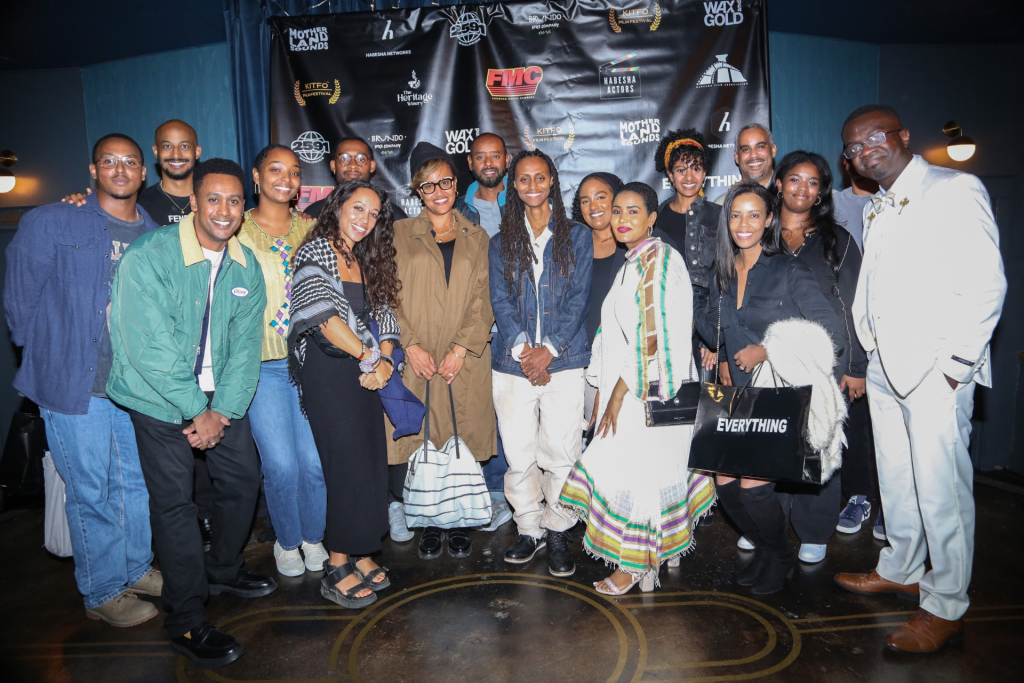
How do you think Eritrean and Ethiopian stories can resonate with audiences in other African countries? How would you describe the unique cultural essence of Ethiopian and Eritrean films and what makes these stories especially powerful or inspiring for global audiences?
There’s a poetic quality to our storytelling both in form and in rhythm. We use silence, metaphor, and restraint in ways that feel almost spiritual. But what also makes Ethiopian and Eritrean stories so distinct is that they come from cultures that have remained largely intact for centuries. Because these countries were never fully colonized, much of our language, music, traditions, and worldview have been preserved in ways that are rare in today’s globalized world. Watching our films is like stepping into a living time capsule. It’s a snapshot of who we are, who we’ve been, and what we continue to carry. And while our histories are deeply specific, the themes of migration, revolution, love, longing are universal. That’s what allows our stories to resonate across Africa and with global audiences.
What can audiences look forward to at the upcoming KITFO Film Festival 2025? How does the festival complement the mission of KITFO TV?
KITFO Film Festival 2025 will be our most ambitious yet. We’re planning multi-day screenings, immersive panels, workshops, and community activations in both LA and Ethiopia. The goal is not just to showcase films but to build infrastructure and conversation around the future of East African cinema. The festival is the live heartbeat of what KITFO TV is online by bringing creators and audiences into the same room, building relationships and centering conversation.
What message would you like to send to global viewers as they anticipate this year’s festival? How do you hope the festival will shape the future of African cinema?
We want global audiences to know that Ethiopian and Eritrean cinema is not defined by a single story or perspective. There is a vast and dynamic range of narratives that deserve to be seen, celebrated, and taken seriously. Too often, only one or two stories are elevated as the ones that “make it,” but our festival is here to shift that perception. We’re showcasing a wide range of voices, genres, and perspectives that reflect the true depth and diversity of our communities. Our hope is that the festival expands how people view Ethiopian and Eritrean cinema – not as a niche category, but as a vital part of African and international filmmaking. These stories are not only worthy of being seen – they’re worthy of being in conversation with the best in global cinema.
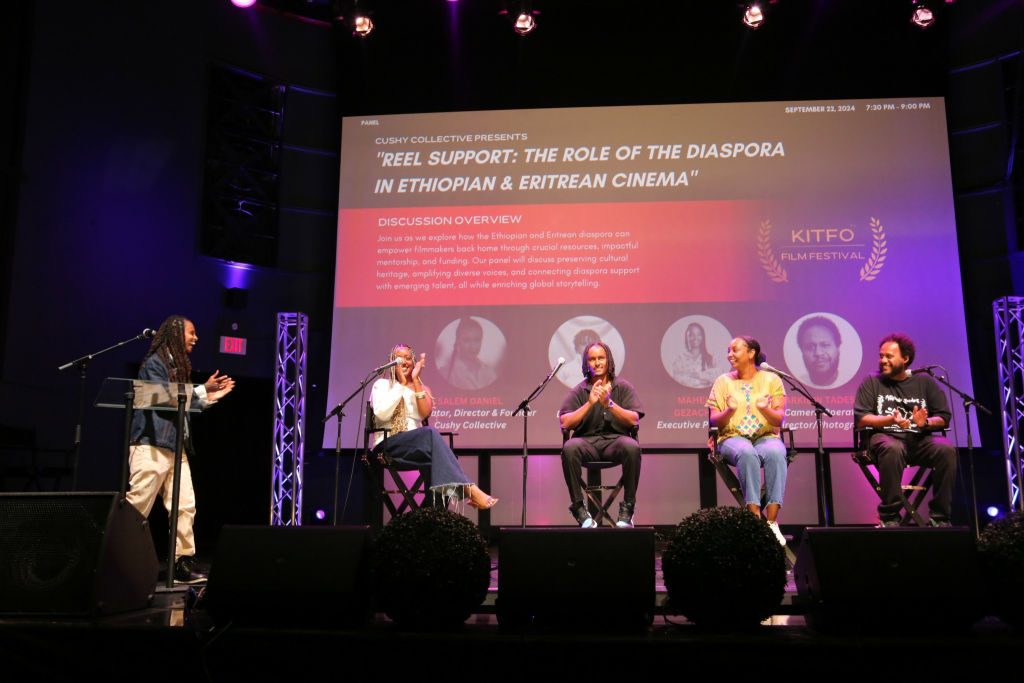
What impact do you hope KITFO TV will have on this generation and the next generation of storytellers?
I want the next generation to feel like there’s a place for them; where their ideas, languages, and perspectives aren’t niche, but central. KITFO TV exists so that our stories don’t disappear, and our filmmakers don’t burn out trying to fit into systems that weren’t built for them. I hope it inspires more storytellers to start, to experiment and to know that their work matters.
As KITFO TV prepares for its landmark 2025 Film Festival, Denkinesh Argaw’s message is clear: Ethiopian and Eritrean stories are not side notes in global cinema; they are essential chapters. Through KITFO, she envisions a future where young African filmmakers feel seen, supported, and celebrated on their own terms. With roots deeply grounded in tradition and eyes firmly set on innovation, Argaw is not just creating a platform; she’s nurturing a cultural renaissance that empowers storytellers for generations to come.