
Patrick Forestier’s Boko Haram: Black Terror in Africa is a haunting and deeply disconcerting investigation that plunges deep into the heart of one of the most dangerous and enduring terrorist organizations ever to have caused bloodshed and despair in recent history. Without gloss or reservation, it conveys the stark brutality wrought upon West and Central Africa, and particularly Nigeria-where the jihadist movement was founded-by this most horrific of terrors. This is far more than the cataloging of atrocities; it’s an immersive, on-the-ground tour of the relentless cycle of violence and resistance that comprises life in the shadow of Boko Haram. From its opening frames, this documentary assumes a grim and ominous tone. It takes us into a far-flung village near the border between Cameroon and Nigeria-where each day passes shrouded in fear.
The villagers live with the constant threat of Boko Haram raids, forcing them to rely on a combination of self-formed militias and the Cameroonian military for protection. We are introduced to Lieutenant Dang, commanding an outpost on the frontline, tasked with securing the border and preventing the militant group’s incursions. His presence is symbolic of the struggle faced by countless soldiers and officers who fight against such an enemy that is not only ruthless but highly adaptive. Boko Haram, a name which roughly translates to mean “Western education is forbidden,” has become synonymous with unspeakable violence.

Boko Haram: Black Terror in Africa traces the rise of the group from an extremist sect into a full-fledged insurgency that destabilized an entire region. It names atrocities: mass executions, suicide bombings, and the broad kidnappings against the civilians. Among the last one, very infamous was an event which formed a cornerstone for this documentary: 276 girls being kidnapped in Chibok in 2014. What happened in Chibok shocked the whole world; at the same moment, the ‘Bring Back Our Girls’ movement hit the headlines all over the globe, led by such globally popular figures as Michelle Obama and lots of Hollywood stars. Helon Habila also wrote a journalistic report on the terror and lifestyle of the victims since the abduction.
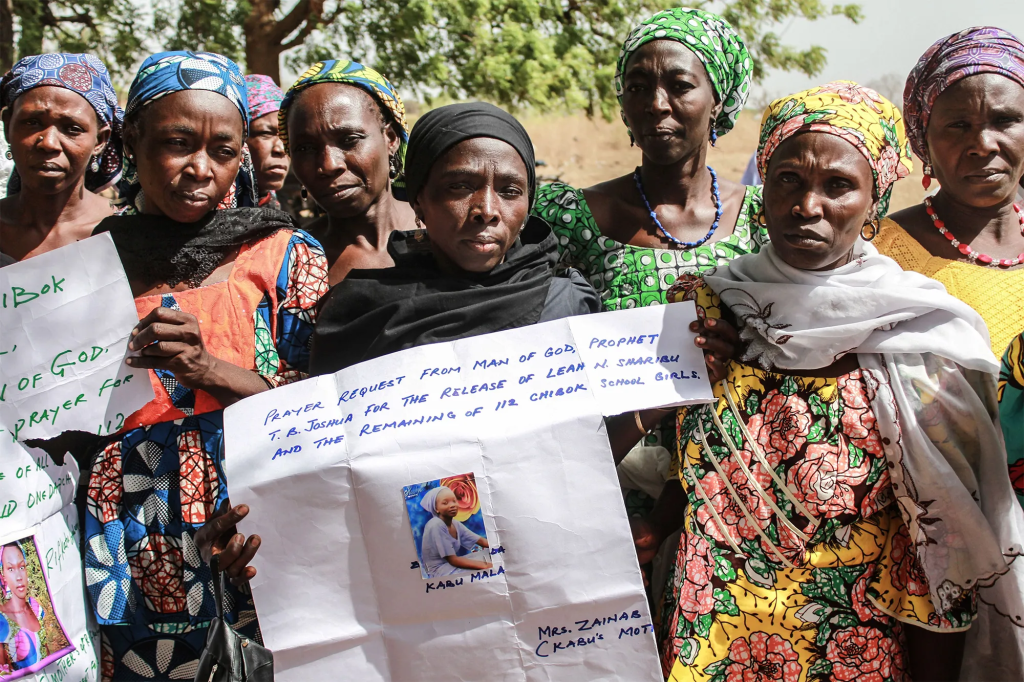
While the campaign brought international attention to Boko Haram’s brutality, the documentary reminds us that large-scale awareness does not always translate to swift action. Years later, many of the kidnapped girls remain unaccounted for, and the nightmare for countless other victims continues. Equipoise is one of the documentary’s major strengths. While it has documented the atrocities committed by Boko Haram attentively, this documentary also raises awareness about another war that the world is inflicting on terrorist groups.
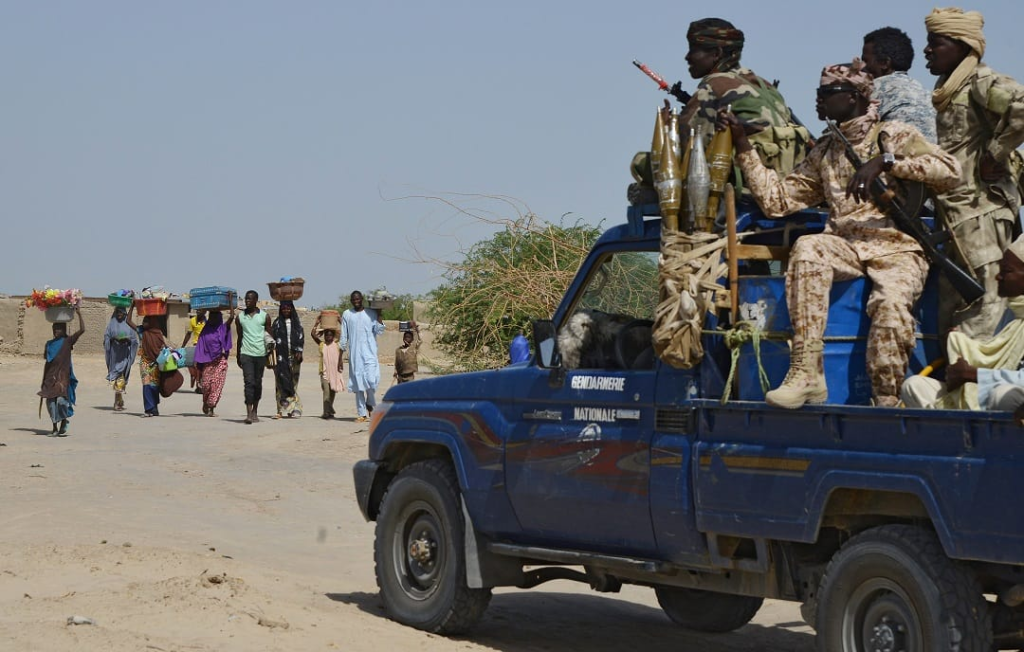
To combat the jihadist insurgency, it has united different African countries against Nigeria, including Chad, Niger, and Cameroon, in addition to their allies in the Western military. A very few French and American forces were seen on some occasions, supporting intelligence and reconnaissance tasks of African soldiers, highlighting in the documentary rare footage of contemporary warfare. That said, coalition forces face many challenges, too: Boko Haram is not a conventional army; it comes and strikes at any unpredictable time and retreats into very difficult terrain.
Boko Haram: Black Terror in Africa captures the immense difficulty of hunting down its leaders, who remain elusive despite concerted efforts. Perhaps one of the more thought-provoking elements in Boko Haram: Black Terror in Africa has to do with its unfiltered look into human rights abuses, not only committed by the terrorist group itself but also at the hands of those fighting against them. It would show, in one disturbing portion of the documentary, footage where Nigerian military personnel executed prisoners who had been freed during a prison break conducted by Boko Haram. It’s a chilling moment, confronting the viewer with the uncomfortable reality that in desperation to crush an enemy as ruthless as Boko Haram, some government forces have employed brutal tactics of their own.
The documentary does not shy away from moral ambiguities but presents them as part of the broader complex reality of war. From that, the report segues seamlessly into the influence of Boko Haram’s terror on civilians who are particularly afflicted in urban cities living in heavy alert for explosions from suicide bombers. Security procedures have changed lives: military checkposts, massive surveillance, a feeling of terror. Survivors of attacks, often scarred, shared how arbitrary the brutality has been.
A walk down the street or the market can easily turn into a horrific disaster in the blink of an eye. Personal and emotionally exhausting, this segment is quite unbearable, as one hears tales of families ripped apart, communities terrorized by relentless fear, and people trying to patch their lives together after destruction. As the documentary progresses, another powerful force opposing Boko Haram is brought out: the Cameroonian Rapid Intervention Battalion, or BIR. This elite military unit is trained by the Israeli army in highly advanced strategies of counterterrorism.
Unlike typical military forces, the BIR relies less on heavy artillery fire but instead places a high emphasis on intelligence, using state-of-the-art forensic techniques, tracking of SIM cards, and DNA analysis to disrupt the networks of Boko Haram. The documentary highlights the evolving nature of counterterrorism operations in Africa by exposing the employment of contemporary technologies in an unconventional crisis.
Boko Haram: Black Terror in Africa‘s last act transports viewers to the most perilous areas, where military convoys must navigate perilous terrain rife with ambushes. As the convoy carefully navigates through terrorist strongholds, every step is planned to evade assaults, and the strain is evident. Then, of course, there are the villages, whose visceral feelings range from terror to rage to tremendous sorrow, since many of them have been personally harmed by Boko Haram. Their statements serve as a reminder that there are actual people going through unspeakable agony behind all the news, politics, and military tactics.
Forestier’s direction is masterly in its ability to balance journalistic rigor with cinematic intensity. The visuals are raw and unfiltered, carrying both the beauty of the African landscape and the horrors of war. The sound, with its distant echoes of gunfire, or the haunting silence of abandoned villages, draws the audience into the hard life that has been on with Boko Haram. Unlike most documentaries surviving on mere statistics and analyses by experts, this documentary brings us face-to-face with the people whose lives have been altered by terrorism.
In the final analysis, Boko Haram: Black Terror in Africa is more than a documentary; it’s an urgent call for attention. The documentary collides head-on with the suffering level that extremism inspires, as well as with the immense tasks set before anyone fighting a war against an enemy refusing to take sides or be bound by the conventional rules. There are no easy answers given here, nor neat wrappings; because none exist. It would rather leave one with that rare profound comprehension of victims’ resilience, continuous vigilance, strategy, and humanitarian intervention. In a world where global attention moves so quickly from one crisis to another, this documentary serves as a stark reminder that the nightmare that is Boko Haram is very real and not just a news story, for many Nigerians and West Africans. It effect lingers long after the credits roll, demanding not just to be watched but to be felt.