
The sequel to Lisabi: The Uprising, titled Lisabi: A Legend is Born, continues the legendary story of Lísàbí Agbongbo Akala. Building on the powerful foundation laid in the first part, this installment delves deeper into the mythical, historical, and emotional dimensions of Lísàbí’s rebellion against the Old Oyo Empire.
Storyline
In Lisabi: A Legend is Born begins with an elderly man recounting the origins of the tribute collection imposed on the Egba people by the Alaafin of Oyo. This reflective opening not only sets the tone but also provides critical historical context, immersing the audience in the deep-rooted struggle that fuels the story.
The narrative then shifts focus to the evolving relationship between Lísàbí and Ikeola. Their bond is explored in greater depth, showcasing moments of vulnerability and trust as Lísàbí confides in Ikeola, sharing the secrets of his background. This flashback brings the invented Lísàbí’s family background and the spiritual entities who nurtured Lísàbí after his mum’s demise.
The sudden and seemingly “cheap” death of Ikeola contrasts sharply with her strong and dynamic portrayal in the first part, leaving her fate less impactful than it could have been. The storyline has subplots such as background stories, which aim to guide the intrigue and emotional importance of the story but failed as in many instances are disjointed and incomplete in relevance to the main story.
The battle scenes are notable for their intense, gory realism, which speaks to the brutality of warfare in that time period. While these scenes are striking to behold and no doubt immersive, one must question whether they were necessary for the plot or if they ran the risk of detracting from thematic depth with the inclusion of shock value. The fact that the camera averts the total portrayal of some scenes shows unpreparedness to show details that speaks to reality.
Lísàbí’s ascendancy to the position of head warrior is presented in a way that is somewhat inconsistent; the choice to appoint him approximately a year after their victory, rather than immediately, raises doubts about the narrative logic.
Lisabi: A Legend is Born mixes themes of personal sacrifice, community effort, and the weight of fate, culminating in a contemplative climax. Lísàbí is thrust into the challenging aftermath of his success, confronting betrayal, envy, and the pitfalls of pride while striving to uphold his leadership, loyalty, and sense of purpose. The ending, though tinged with ambiguity, mirrors the divided historical accounts of the real-life legend, adding depth and authenticity to the narrative. It leaves viewers pondering the enduring significance of resistance, unity, and the complexities of legacy.
Lateef Adedimeji delivers a performance in parallel with Lísàbí: The Uprising, embodying Lísàbí’s strength, vulnerability, and charisma with unmatched depth. Gabriel Afolayan and Olumide Oworu return with more significant speaking roles. New characters coming to the center stage, including Deyemi Okanlanwon as Aronimoja and Olayode Juliana as one of the Oloyo’s queens. The casting choices continue to shine, with each actor immersing themselves fully in their roles.
Loopholes
Some narrative elements raise questions about the consistency and historical grounding of the story. For instance, the scene of an elderly Yoruba man who provides Lísàbí with the historical foundation of the relationship between the Oyo and Egba people in the ancient times; dating back to Oduduwa and the children of Okanbi in Yoruba cosmology, the essence of this flashback is disconnected from the rest of the storyline.
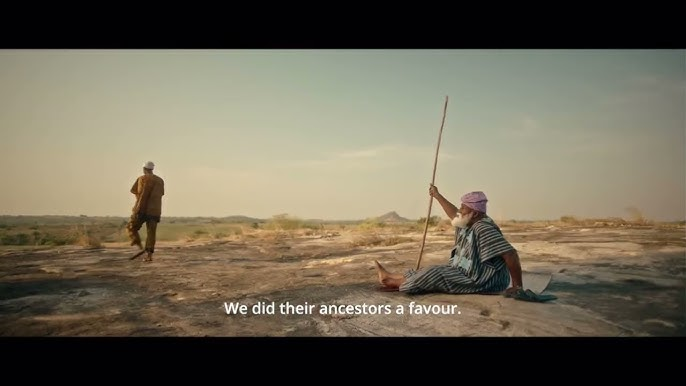
By implication, there is no solid connection between the ancient story and the present story of Lisabi. It would seem that the ancient story is meant to incite Lisabi to war but there’s no tangibility to the story to sustain such provocation. The writers do not establish a clear link between this moment and the subsequent events, leaving the identity and historical significance underexplored. This omission weakens the narrative’s cohesion and leaves the audience questioning the relevance of the scene.
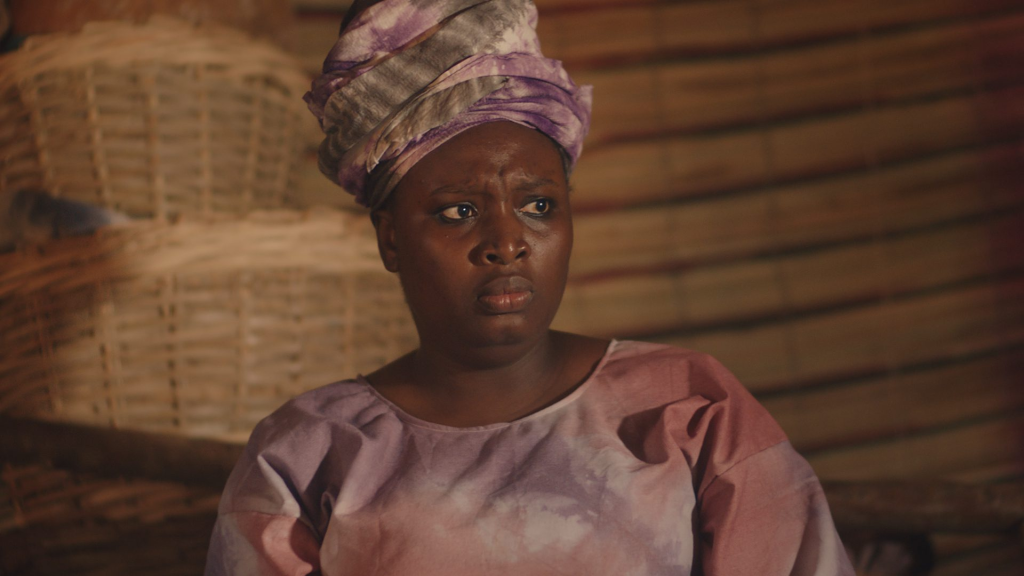
Additionally, the character arc of Ikeola, who was portrayed as powerful and resolute, takes a puzzling turn in this sequel. Her abrupt and seemingly “cheap” death contradicts the strength and depth previously attributed to her character, considering the spiritual fortification she has.
In Yorubaland, it is a taboo for a king to see corpse(s) but in Lísàbí: A Legend is Born, the Oloyo brazenly goes to see the dead soldiers. This is a cultural blunder and an unpardonable oversight. Also, the concocted mysteriousness of Lisabi’s birth negates the existing history which was adapted.
The war scenes are not expertly executed, and the highlight of this blunder is evident in many instances. For example, Ikeola is shown at the warfront against Aronimoja, only for another scene to abruptly shift to her conversing with and canvassing the witches to manifest their powers, which comes across as unimpressive.
The setting of Lísàbí: A Legend is Born continues to immerse viewers in the historical and cultural essence of 18th-century Yorubaland. The rugged beauty of the terrain not only adds to Lísàbí: A Legend is Born’s visual appeal. The rock scenery is a character in itself, representing the unyielding spirit of the Egba people.
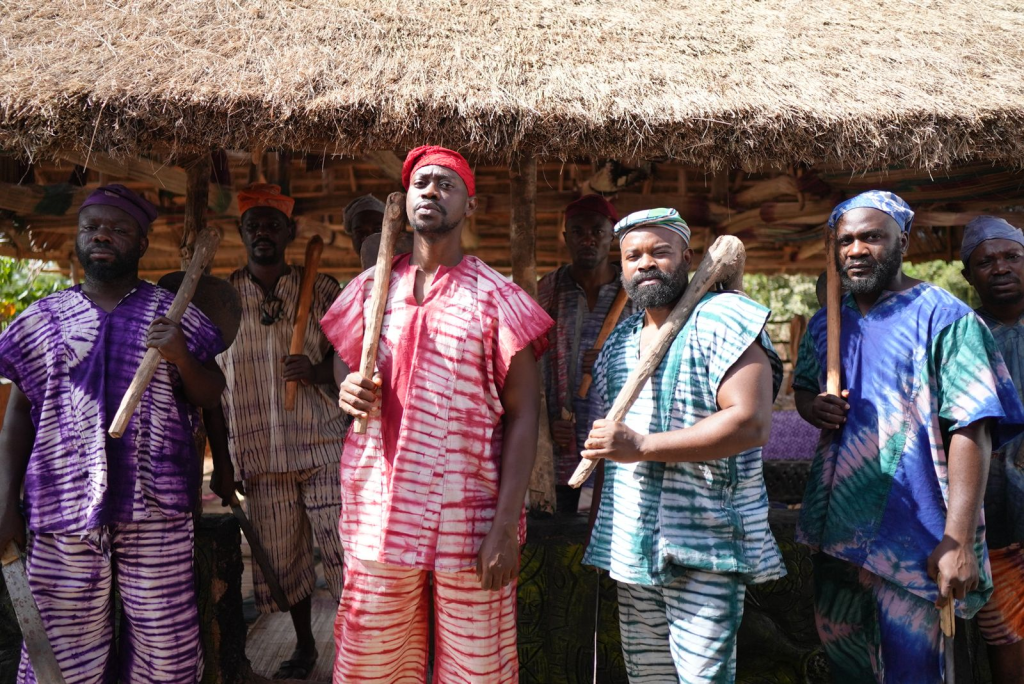
The use of mud houses with thatched roofs beautifully captures the traditional Nigerian architecture typical of Yoruba communities. These structures, with their earthy tones and organic forms, provide a visually authentic backdrop that enhances the historical credibility of the story. The production also incorporates other traditional spaces, such as sheds and the soldiers’ fighting and training rings, all constructed from mud and thatch. These details emphasize the resourcefulness of the era and the Egba people’s connection to their environment.
However, certain aspects of the setting leave room for improvement. While the palace of the Alaafin is imposingly majestic, it somehow misses the grandeur and pomp associated with the Oyo Empire. It ought to have been more expansive in order to reflect, in better detail, the brilliance of the king’s court.
Additionally, the absence of a scene depicting the Aláké’s palace is a noticeable gap, considering the significance of this figure within Egba history. The war ground, set on a leveled plain, effectively highlights one of the traditional fighting methods of the time. However, the choice to avoid using mountainous or rocky terrain during the war—a key feature of Abeokuta, the actual historical setting—feels like a missed opportunity.
Incorporating the rugged landscapes of the region would have added a dramatic and symbolic layer to the scenes. Despite these minor shortcomings, the setting overall succeeds in portraying the cultural richness and historical context of the era.
Although the depiction of the Egba accent is less pronounced compared to the Lisabi: the Uprising, this subtle shift does not detract from the overall quality of Lísàbí: A Legend is Born. The actors maintain the authenticity of their dialogue, with the richness of Yoruba idioms, proverbs, and cultural expressions continuing to shine through. These linguistic elements remain an integral part of the storytelling, enhancing the historical and cultural depth of Lisabi: A Legend is Born.
Mythical Realities
The mythical elements are even more prominent in Lísàbí: A Legend is Born. The depiction of supernatural beings and the characters’ encounters with dreams and visions add a layer of intrigue and spirituality. These mystical aspects are seamlessly woven into the storyline, enhancing its depth without overshadowing the historical narrative.
Lísàbí: A Legend is Born makes exceptional use of lighting, camera angles, and special effects to bring both the historical and mythical elements to life.
Lisabi: A Legend is Born is a blend of history, myth, and performances that create a cinematic experience that leaves many questions unanswered.