
The 82nd Venice International Film Festival, held from August 27 to September 6, 2025, celebrated an unprecedented presence of African and African co-produced films across multiple categories. Moroccan cinema, in particular, took center stage, as the country was named a Focus Country at the Venice Production Bridge.
Award-Winning African Films
African filmmakers achieved notable recognition at the festival. Tunisian-French director Kaouther Ben Hania’s The Voice of Hind Rajab won the Silver Lion Grand Jury Prize, the second-highest award in the main competition. The docudrama portrays the final moments of a six-year-old Palestinian girl killed in Gaza, earning international acclaim for its powerful storytelling.
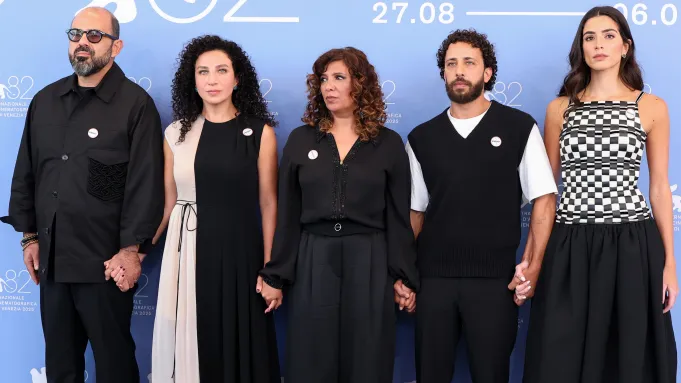
Angolan filmmaker Hugo Salvaterra’s My Semba received awards in the Final Cut in Venice program, including €15,000 in services for sound mixing and a prize from Laser Film for color correction, further highlighting the festival’s support for African cinema in post-production.
Other African Films Featured
In addition to the awarded films, several African productions were selected across different sections:
- My Father and Qaddafi by Jihan K. (Libya) – Out of Competition (Non-Fiction)
- Calle Malaga by Maryam Touzani (Morocco) – Venice Spotlight; won the Armani Beauty Audience Award
- Boomerang Atomic by Rachid Bouchareb (Algeria) – Out of Competition (Short Films)
- Saint Simeon by Olubunmi Ogunsola (Nigeria) – Orizzonti Short Films International Competition
- One Woman One Bra by Vincho Nchogu (Kenya/Nigeria) – Biennale College Cinema
- Legacy by Mamadou Dia (Senegal/France) – Final Cut in Venice
- House of the Wind by Auguste Kouemo Yanghu (Cameroon/Benin/France/Belgium) – Final Cut in Venice
- Roqia by Yanis Koussim (Algeria) – Critics’ Week
- Cotton Queen by Suzannah Mirghani (Egypt/Sudan) – Critics’ Week
Spotlight on Key Sections
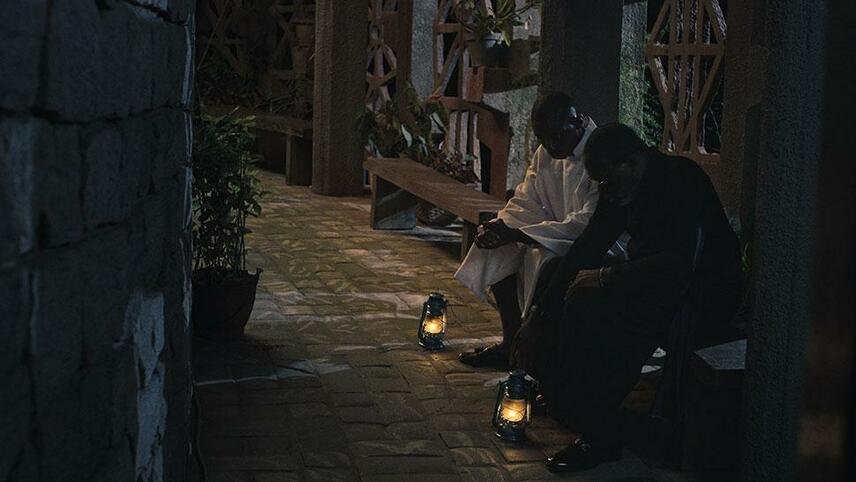
Orizzonti Short Films International Competition: This official selection section featured Nigeria’s Saint Simeon, a short film set in 1990s Enugu exploring the inner turmoil of a young seminarian.
Venice Spotlight: Morocco’s Calle Malaga told the story of an older woman in Tangier fighting to preserve her home, while Hijra (co-produced by Egypt) followed two Saudi women searching for a missing teenager.
Critics’ Week: Cotton Queen highlighted a teenage girl’s struggle in a cotton-farming village, while Roqia brought Algerian horror to the festival.
Biennale College Cinema: One Woman One Bra examined a woman’s fight over land ownership due to uncertain parentage.
Venice Production Bridge: The festival’s industry programs provided critical support for African cinema. The Final Cut in Venice program included films from Angola, Cameroon/Benin, and Senegal, while the Venice Gap-Financing Market and Book Adaptation Rights Market saw participation from Moroccan and South African filmmakers.
The 2025 Venice Film Festival not only celebrated established cinematic voices from Africa but also highlighted emerging talents, signaling a growing international recognition of the continent’s vibrant film industry.