
This movie borders on the quest for ‘eternal life’, which is known as sagbadewe in the Yoruba cultural and spiritual sphere. Sagbadewe implies ageless or renewed youthfulness. On this foundation, the stories build their focus on the lives of families and individuals entangled in the quest for longevity renewal.
The Plot
In a distant time, a wealthy man, Akanni, is plagued by a menacing illness that seems unsolved. He approaches a great witch, Fijabi (Bisola Aiyeola), for assistance with the simple request of casting a spell of longevity. Instead of getting a solution for himself, the witch says there’s no hope for him, but definitely his sons can be the beneficiaries of his quest. Fijabi instructs on the cycle of renewal, which must not be broken. And there begins the journey of Sagbedewe and ritual renewals.
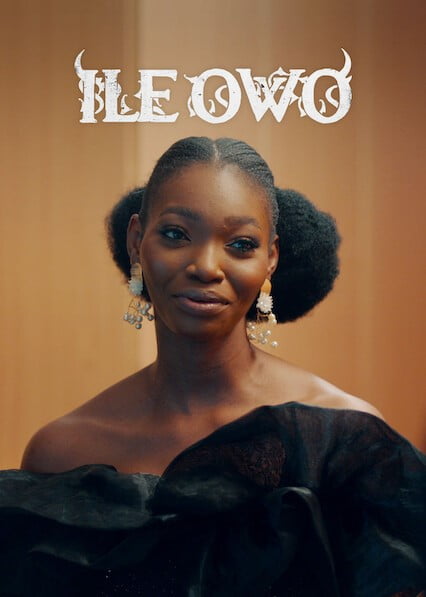
Akanni’s lineage maintains their signature: wealth as reflected in the modern lives of his children or grandchildren—the audience is left to guess. In modern times, a family of three, Busola, Baba, and Mama Busola, nurse a mysterious wound Baba Busola has. Busola, a nurse, deals with a cheating fiancée, the unhappiness that comes with sharing a significant other, having to steal drugs and care for her father’s mysterious wound and the pressure her environment chokes her with.
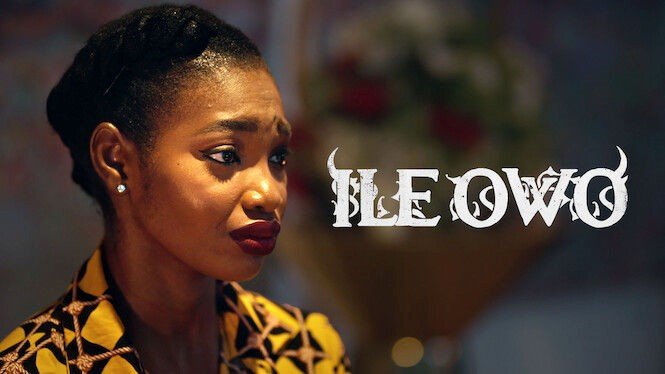
She falls in love with Tunji, one of the Owo men and becomes prey the very minute she fancied him. Her life takes a down ward slide as she sheepishly goes to the slaughter house.
The Faulty Lines
Here lies the faulty foundation in the story: Akanni Owo is introduced to Sagbedewe for his lineage, even though that wasn’t his quest or plan. The story hinges on Akanni’s decision to engage Sagbadewe for his children, a premise that doesn’t suffice or hold depth in the construction of the story.
Moreover, the connection between Baba Busola and the Owo men is not clearly cut out. What’s the relationship between Baba Busola, Tunji, and the Sagbadewe spirit, who always comes to visit him? Who’s turn was the renewal, Baba Busola or Tunji? Baba Busola is the one who gave his daughter and killed his wife, while all Tunji does is deceptively love up to Busola, marry her, and lead her to the slaughterhouse. Who’s sacrifice is Busola, then?
Other bugging questions include: What really happened that Busola was able to escape? Was it the prayer oil? Was it the fact that the figurine she was pregnant with was not found in her by the demon? These unclear lines question if Ile owo/House of Money has a well-thought-out plot that is not obscure to the audience.
Dialogue
The dialogues are deliberate and point to the eventual climax of the movie, and the viewer journeys from one expectation to the next. Of course, most scenes can be easily presumed and the story easily figured out, but the climax and resolution seem so conflicting that you just want to see the end of the movie.
Characterization/Cast
Fijabi (Bisola Aiyeola) is the first time I have seen Bisola in a different act, which is awesome. Fijabi’s character is well played but not in its entirety; it gives the feeling that there’s more embodiment that is denied in the characterization, especially considering the classical examples of terror-leashing occultic,fetish, and spiritualist women in the early years of Nollywood in Nigeria: women like Abeni Agbon, Iya Gbonkan, and Afunsetan Aniwura who command wealth and power. This gap is more pronounced when Akanni do not cower, quake, or show any form of fear in the presence of the renowned Fijabi. On the other hand, I don’t see a younger actress who would fit this role better than Bisola Aiyeola, unless you have other suggestions in mind. Let me know what you think.
Tunji (Efa Iwara) shows a mixture of coldness, unfeeling, and “love,” and towards the end, a bit of empathy for his prey. He is the definition of perfect gentleness, as he encroaches on his prey unnoticed and unsuspected.
Busola (Immaculata Oko-Okusam) delivered her role exceptionally, especially her unwitting gullibility at the turn of events in her life. Busola is uncritical in her thinking, and her desperation to get herself a suitor beclouds her. Using this as an excuse, she accepts situations rather than raise questions. An example is her mother’s sudden accident. The cinematographer draws our attention to the packed Ghana-must-go bag in Baba Busola’s room when Busola rushes to ask for his help. Of course, the viewer knows what happened, but the fact that Busola is left to assume or pretend the cause of the incident questions the depth of her character.
Jola’s character (Bukunmi Adeaga-Ilori popularly known as KieKie) also brings some comedy into the movie, nothing short of what she’s known for.
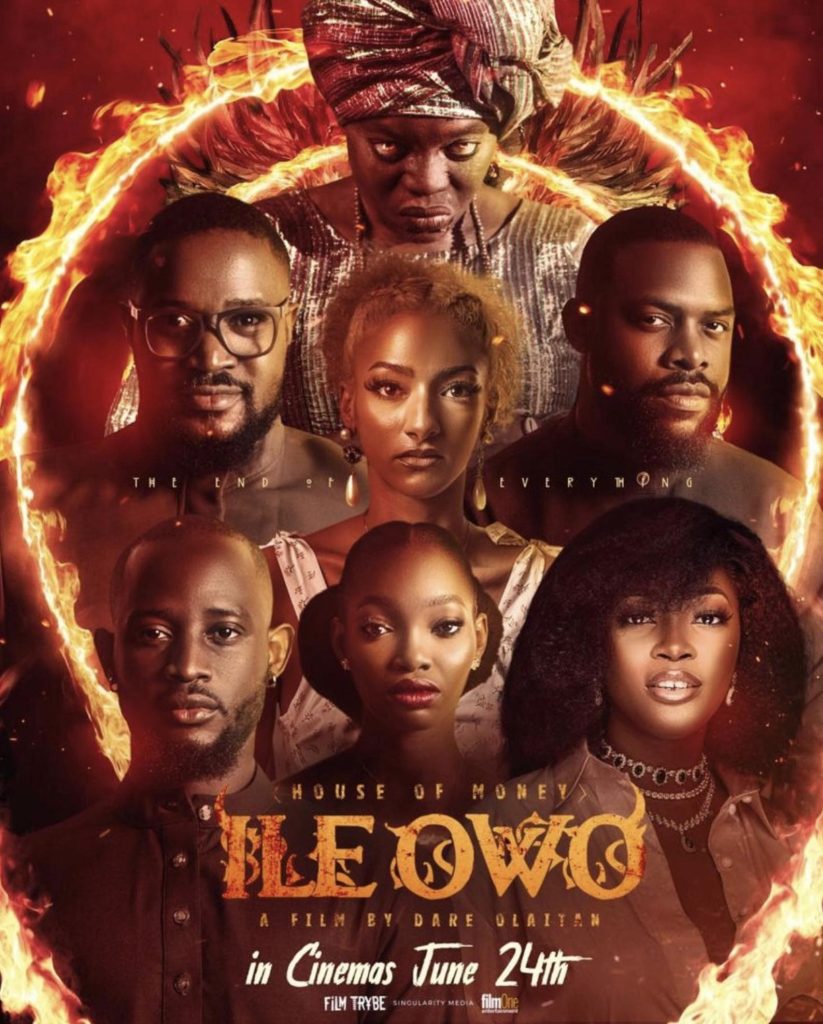
Written and directed by Dare Olaitan, Ile Owo features amazing actors including Tina Mba, Akin Lewis, Efa Iwara, Bukunmi Adeaga-Ilori, Lani Adebayo, Ademola Adedoyin, Bisola Aiyeola, Lizzy Akemu, Sophie Alakija, David A. Apemiye, Taye Arimoro, Lanre Akanni, Duncan Bayem, Jane Chuks, Patrick Diabuah, Vivacious Donatus, Mofe Duncan, Temisan Emmanuel, Michael Emono, Ojo David Gbenga, Ikponmwosa Gold and Andrew Ijeh.
Setting/Costume/Aesthetics and Effects
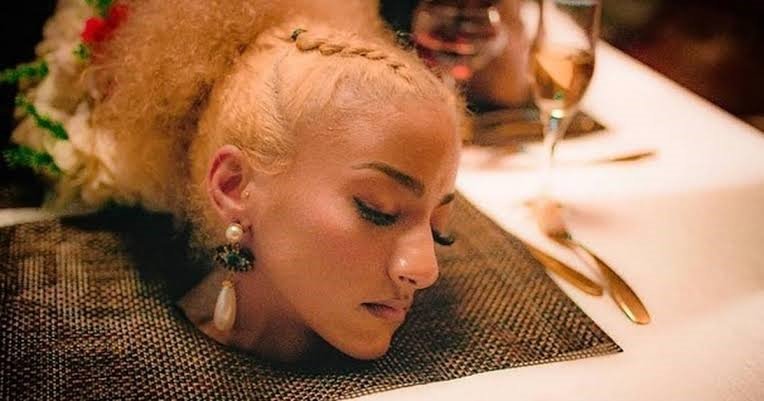
Ile Owo should be given an accolade regarding the visual effects and representations. The sound and visual aesthetics embellish the elements and entities being portrayed; the horror, demons, and gory scenes are well depicted. The setting is also tailored for the purpose of each scene. Kudos!
In all, Ile Owo/House of Money is a modern depiction of the Yoruba classical films of lineage covenants and the transfer of traditions between demons and men. It’s highlighted the unquenchable satisfaction in man and the longing to exist eternally. It shows the inhumane side of humans: their selfishness and insatiable wants.