
Igbo Apprenticeship System (IAS)
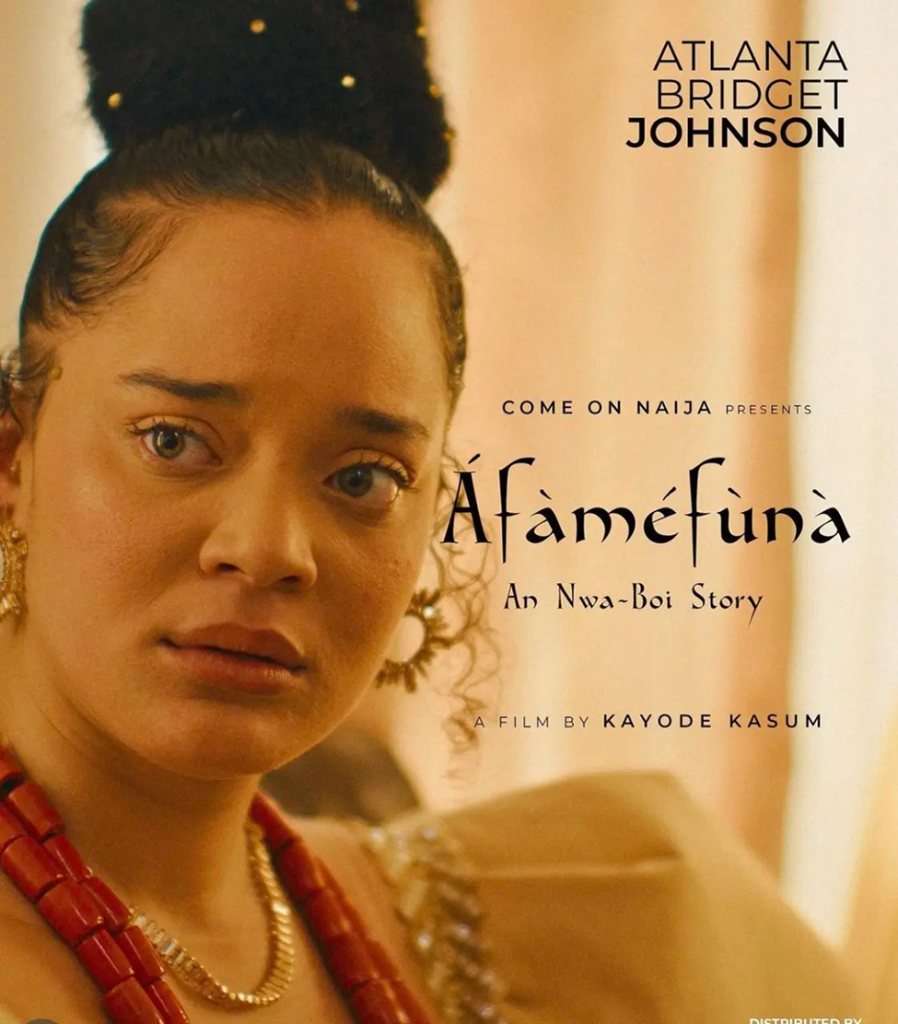
The 2023 film Áfàméfùnà delves into the untold story of the Igbo Apprenticeship System (IAS). It is a never-ending cycle of business that began a long time ago and has been credited as a key source of reinforcement for most Igbos after the Nigerian Civil War. In an interview with Love Idoko on “Activating Success,” Dr. Cosmas Mmaduka, the founder and CEO of Coscharis Group, describes it as a system that exposes the apprentice to “administration, accounting, inventory management, and purchasing.” The IAS journey starts off with an individual (which is usually a male child) leaving home to stay with a successful businessman for a number of years. The process begins with a verbal agreement between an older person, mostly a parent or parents of the potential apprentice.
During this period, the apprentice learns the intricacies of his boss’ business by rigorously sticking to the rules and regulations orally imparted by the employer upon arrival and throughout the training; the boss is referred to as ‘Oga’, and the apprentice is referred to as ‘Nwa boi’. Unlike the formal schooling system, apprenticeship entails full-time practical services both on-site (the boss’s shop) and at home.

Upon completion of service, successful apprentices receive what is known as settlement, which usually includes a large sum of money, a shop (in most situations), and the ability to take goods from their boss’s shop. In accordance with an extract from the Harvard Business Review which appears in Áfàméfùnà’s opening scene, the system has been shown to be a very reliable method of establishing sound business ventures and successful businessmen while maintaining beneficial commercial and interpersonal relationships.
Storyline
The corpse of a young man (named Paul) lying in his own blood around a local football field serves as Áfàméfùnà’s driving force. Amidst the suspense surrounding Paul’s murder, the audience is brought down memory lane with Afam’s success tale. The vast majority of the story is told during CSP Gidado’s questioning session with him (Afam). His story depicts a grass to grace scenario based on numerous years of dedicated service as an apprentice in Lagos.
Young Afam travels to Lagos in search of a better life, and there, his mother secures an apprenticeship deal with Odogwu, an influential businessman in Lagos. Among other apprentices, his time at Odogwu’s is an ideal example of a committed Nwa-boi serving his master. Afam’s journey through apprenticeship demonstrates the benefits and drawbacks of the system. He quickly picks up skills to deal with other apprentices, stay loyal to his master, follow instructions, guard his heart from keeping a distance from Amaka, his master’s daughter, whom he admits he has loved from the beginning, and uphold values instilled in him by his family. Paul’s disputes, enmity declaration, and blackmailing plots shortly after Afam establishes himself and marries Nneka, Paul’s alleged lover, give Afam numerous reasons to be the architect of his murder, yet the opposite is true.
Afam’s personality and social standing following his settlement highlight the value of dignity in labour, patience, perseverance, humility, and hard work. He remains sincerely committed to sustaining his family’s values and the standards he established over his apprenticeship experience. The activities of Odogwu and the second boss at Apapa Wharf, who assists Odogwu in clearing his products at a reduced price of two million, help to explain the importance of these virtues, particularly in the quest for a high social position.
In addition, Áfàméfùnà gently examines the subject of paternity. In most Igbo societies, a child or children frequently belong to any man who pays a woman’s bride price, and as long as this occurs, the father diligently sires the children in his care. This notion motivates Afam’s decision to keep Lotanna.

Characterization/Cast
Kayode Kasum, the director, accomplished great feats by fusing the story that has long begged for an audience on the screen in a beautiful way and featuring a large number of actors such as Afam (Stan Nze), Odogwu (Kanayo O. Kanayo), Paul (Alex Ekubo), CSP Gidado (Segun Arinze), Amaka (Atlanta Bridget Johnson), among others, who did nothing but give their all in their respective roles.
However, it is discouraging that the younger Afam (Paul Nwadike), who was depicted as a boy born and raised in Onitsha, does not fit into that group; his cool personality, Igbo accent, and character differ significantly from those of an average Onitsha native. Odogwu’s wife’s (Lilian Thomas) minor role in the Nwa-boi journey leaves much to be desired. Most apprentices end up in the Madam pit-hole; the Madam’s attitude towards a particular apprentice can influence how far they will go with their master (Oga). If Odogwu ‘s’ wife had been actively present alongside Nneka, Odogwu’s gorgeous daughter, the struggle would have been much more heated and exciting.

Perfect casting; the youngster age of the characters compliment and sync with their young-adulthood physiques. The aura of joy and understanding of the predicament and progress of each character seems to follow the human expectations of how humans should thrive. These individual journeys of the characters easily bring the audience into a suture of similar experiences.
Setting and Embellishment
Set in Onitsha and Lagos, Nigeria, Áfàméfùnà paints a near-perfect depiction of an Igbo man’s tenacity as he strives for success in business. The inclusion of certain cultural norms and aspects specific to Igbo culture lends credence to the story. These elements include Afam performing Igbo traditional marriage rites with items such as kolanut, palmwine, yam tubers, garden eggs, various drinks, and fabrics, among other things, which is a scene that is common among the Igbo people.
Additionally, Áfàméfùnà explores the tradition of honouring one’s father even after his passing. When an individual loses his father in poverty, he has a duty to undertake certain rites in his father’s honor when he is prosperous. This tradition is showcased when Afam throws an extremely luxurious memorial in honor of his father, which becomes the focal point of the Áfàméfùnà’s opening and closing sequences.
Furthermore, chieftainship titles which is common for most successful Igbo men, finds its way in Áfàméfùnà as well. These names are chosen to reflect a person’s socioeconomic rank. For instance, Afam, at his point of success in Áfàméfùnà, goes by the title “Aku n’ata ka si”. Similarly, Kanayo’s moniker ‘Odogwu’ appears to be a title rather than a real name, emphasizing the importance of status and titles in Igbo culture.
Dialogue
The dialogues take place in four major languages: Igbo, English, Hausa, and Yoruba. The apprentices, who are mostly Igbos, have most of their conversations in Igbo and sometimes code switch with English and Yoruba, depending on the situation, as they work in a business that requires communication with customers from various backgrounds.
CSP Gidado’s (Segun Arinze) ability to speak Hausa (his mother tongue), Igbo (the language of his interrogator), and English fluently is impressive. Given Nigeria’s multilingual nature, it is a talent that people in high-level positions should have.
Áfàméfùnà is more than just a story about the Igbo Apprenticeship System; on a larger scale, it serves to inspire every young person out there who wants to succeed. In a world where the get-rich-quick syndrome is gaining traction, people must be reminded that hard work, patience, devotion, sincerity, keeping strong family values, humility, and severe discipline, among other things, still pay off. The majority of people need to be informed that in the pursuit of money, keeping and sustaining one’s integrity and reputation is crucial.
Considering Afam’s account of the story, which proves him innocent of the alleged crime, the audience is cautioned that not every successful person soiled their hands to get to where they are, and that behind every accomplishment is an undiscovered story. Hence, judging a book by its cover remains the worst option.