
Inkabi is a term from Zulu culture that refers to an assassin or hitman. These individuals are often hired to carry out unlawful activities, especially murders, on behalf of others. Inkabi has gained popularity in recent times through its usage in popular culture, especially in South Africa, and its depiction in movies, books, and music. It is a surface reflection of the criminal underworld and the dark aspects of society. Inkabi, as notoriously known, runs deep into the traditional ways of warriorship and brotherhood ingrained in Zulu culture, as further portrayed in Inkabi: The Hitman. If you are fascinated by traditional and cultural African methods of survival and communal codes, Inkabi: The Hitman is the movie for you!

Storyline
Inkabi starts with a third-person narrator explaining the tradition of agreement between Zulu hitmen and their contractors; a deal that hinges on brotherhood and the continuation of a pact even at the expense of the hitman’s life. This fundamental code becomes the fulcrum of Inkabi as the storytelling changes between the third-person narrator and the actors in the scenes. The Inkabi men seem to be hitmen of few words in their agreement of assassination; they get their mission and pay, and the deal is sealed.
Lucy, a mother entangled with vices that come with working in a casino, fights with the state for custody of her daughter. Juxtaposing life in her village paradise and the city, she minds the evil lurking in dark corners of people’s hearts, people who make the city unsafe. While she struggles with the seeming lost course, she meets two men whose involvement in her life changes her trajectory.
She witnesses a murder and becomes hunted by an Inkabi. With Angela (Lucy’s daughter) as the hunting bait, an Inkabi on a mission wants her life, while a repentant Inkabi (Frank) becomes her protector. As life and death lie between these two Inkabi, the nature and rules of the Inkabi fraternity become the moral and motive of the movie.
Characterization/Cast
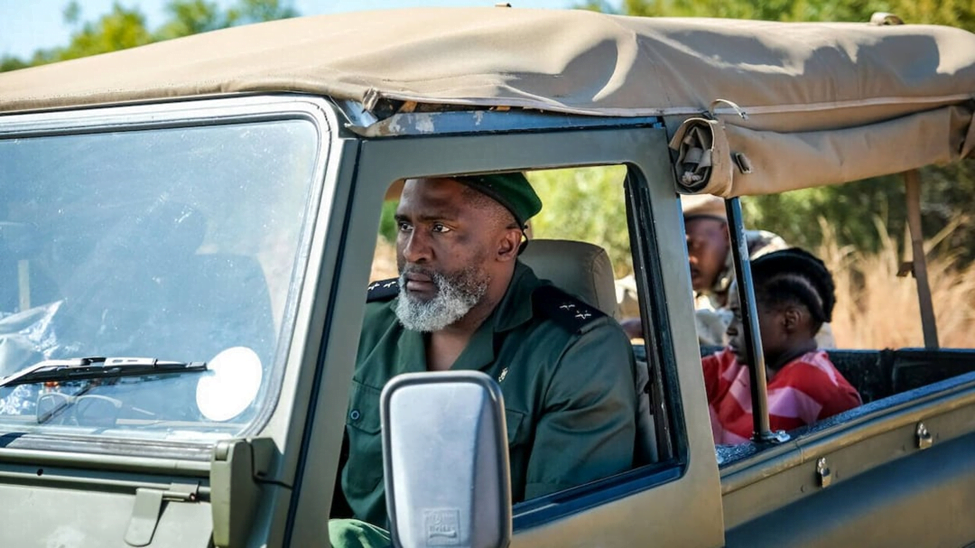
The film stars Tshamo Sebe (Frank), Michelle Tiren (Lucy), Dumisani Dlamini, Nkosinathi Keswa, Adile Masai, Muzi Mthabela, and Kenneth Nkosi. An unexpected irony is the fact that the hitman sent has walking impediments; naturally, a hitman is expected to be swift, skilful, and adept. This characterization would imply that an impediment does not exempt an Inkabi from carrying out his duties. Noticeably, at the end of the movie, the time span between Frank’s confrontation with the Governor while dragging Lucy along and when the Governor’s aide comes into the scene is questionable due to the immediacy of Frank locating the Governor at the first instance. The screenplay is at its best as each actor brings a different tone, mood, and aura accorded to their character and the nature of the movie.
Setting/Embellishment
Set in South Africa; the remote village that houses the Inkabi hitmen, Lucy’s room in the city, Frank’s room; a room that draws the audience in on another narrative on domestic violence, the Zulu traditional costumes, mode of dressing, and way of life are reflected in the remote life of the Inkabi men; all these and more are the reflection of creativity behind the storytelling.
Cinematography
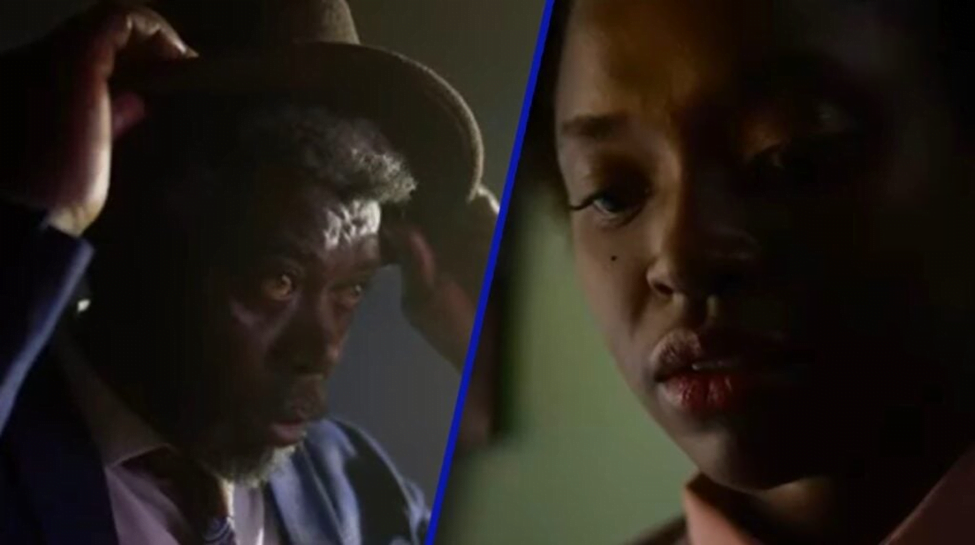
The story through the camera lenses is adept and purposeful. The switch between scenes (Frank and Lucy’s introductory scenes), accompanied by different types of music, did not go unnoticed, though the choice of songs could have been better, especially for Lucy’s scene.
Dialogue/Language
Written and directed by Norman Maake, the prominence of the Zulu language makes Inkabi a more beautiful and relatable cultural production. The conversations in languages and body code resonate with the African mode of communication.
Inkabi: The Hitman offers a gripping portrayal of the intricate dynamics within the underworld of Zulu hitmen, juxtaposed against the struggles of individuals caught in its web. Through compelling storytelling and skilled characterization, the film delves into themes of loyalty, morality, and the consequences of one’s choices. The rich cultural backdrop, coupled with adept cinematography and authentic dialogue, adds depth and authenticity to the narrative. It’s definitely a must-watch!