
Òlòtūré: The Journey is a sequel of Òlòtūré released in 2019, a story of a ‘journalist with more bravery than brain’. Her name is Òlòtūré but her undercover name is Ehi. Òlòtūré is a story with its focus on the hazard of prostitution with its fulcrum on human/sex trafficking. It explores the lives of prostitutes, shining light on the insecurities, vulnerabilities, violence and sexual crimes sex workers are susceptible to. Conversely, Òlòtūré also shows the hazards investigative journalists face in bid to dig issues and expose their subject matters.
Prostitution is a complex and socially controversial topic and sometimes considered as a social vice depending on cultural, moral and legal opinions. Regardless, the production of Ebony Life deems it fit to project this topic in a full-length portraiture; highlighting the fears, violence and harassment prostitutes – who are mostly females, endure in the hands of the pimps, madam’s and clienteles.

The background
Òlòtūré is the backdrop of Òlòtūré; The Journey which chronicles Ehi’s infiltration into the sex worker’s market space. She finds friendship in Linda who becomes are source of information and connection to ‘whorelords’ and rich men who need their service. Ehi is raped by a renowned figure and the story takes a personal turn. To explore the world of prostitution and sex trafficking beyond the local jurisdiction, Ehi turns her life into the work. The desire to change status quo fuels many sex workers to pursue Europe. The answer to this quest is provided by Aunty Alero, a whorelord who scouts for independent sex workers and prepares them for the journey in a strange degrading way.
Storyline: Òlòtūré; The Journey
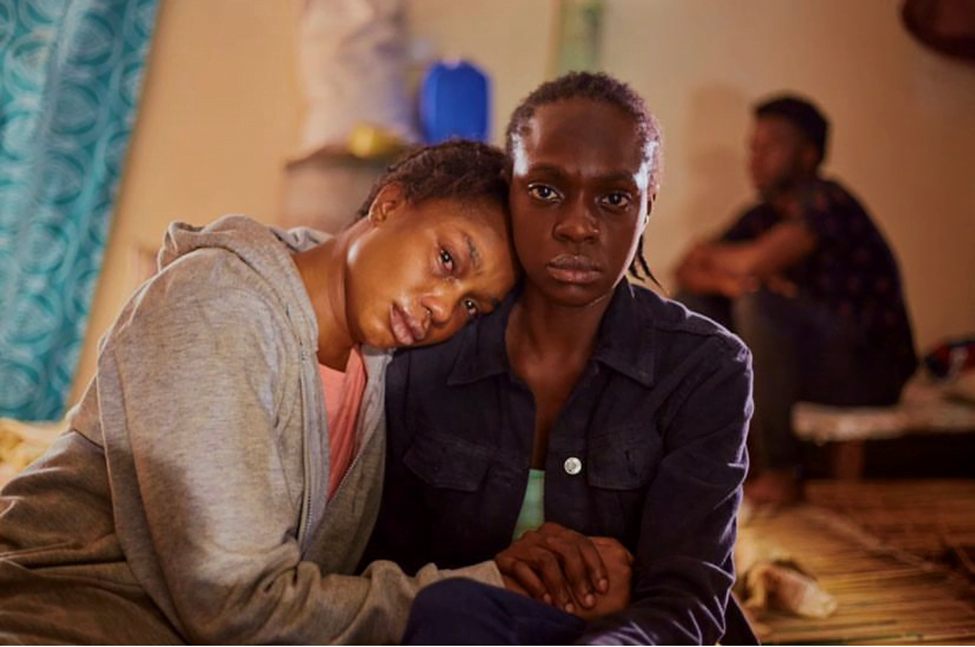
The journey to Europe starts on a chaotic note as Linda gets beheaded for her attempt to call home. Dread falls on all as individuals tries to escape their new found terror. With Linda’s death and Beauty’s escape, Tony’s cabal is threatened and Alero has to take the fall. Ehi and Peju survived the mass assassination attack on the Europe sojourners sent by Ade to ward of Tony’s influence. The story webs series of lives and events; the tussle between ‘whorelords’ to dominate the market, the fate of each sex worker and the family they left behind. Ehi continues her journey with uncertainties of danger ahead as all of these experiences bring her for the typical life of a sex worker transitioning into the phase of sex trafficking.
Characterization/Cast
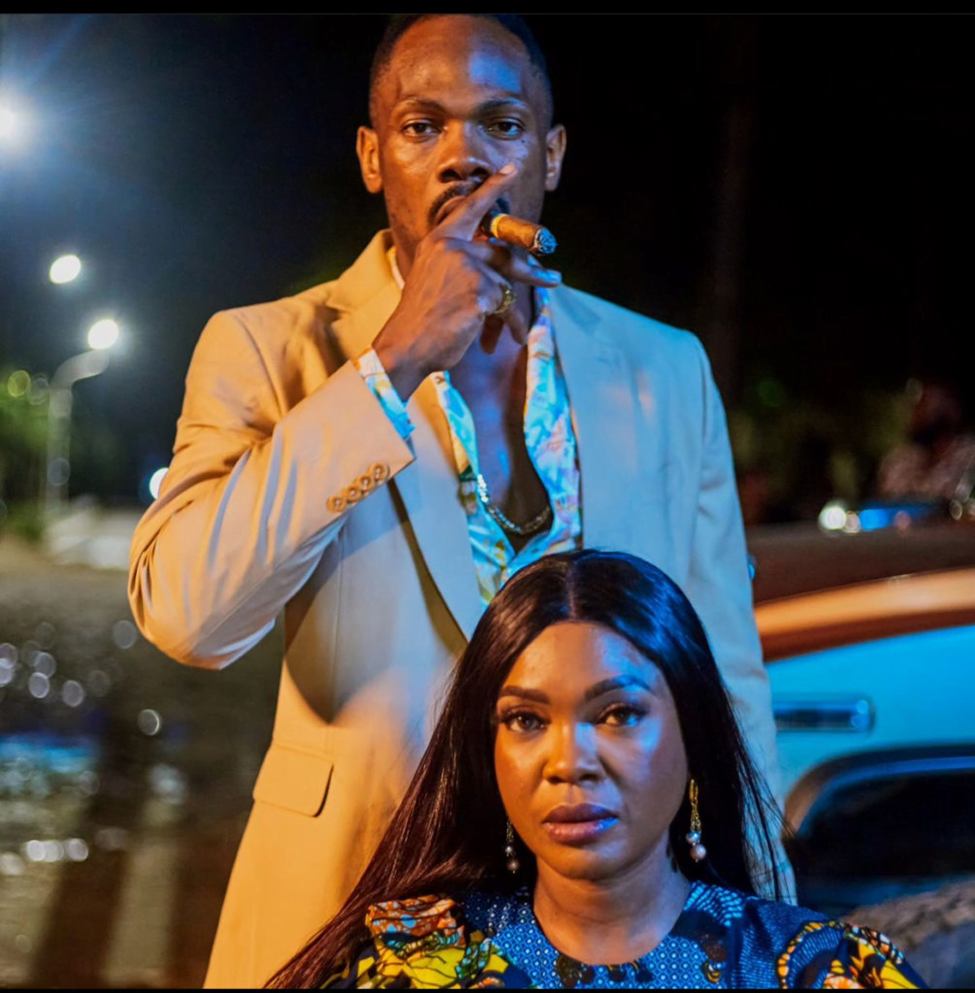
Written by Craig Freimond, produced by Mo Abudu and directed by Kenneth Gyang, Oloture; The Journey stars Sharon Ooja (Òlòtūré/Ehi), Beverly Osu (Peju), Omoni Oboli (Alero), Amarachukwu Onoh (Andrew), Bucci Franklin (Ade), Ikechukwu Onunaku (Chuks), Daniel Etim Effiong (Tony), Patrick Doyle (Sir Philip), Pearl Wats (Jewel), Adebukola Oladipupo (Beauty), Stan Nze (Ben) amongst others.
The movie presents a rich tapestry of characters, both lead and supporting, who masterfully bring to life the emotional and psychological nuances of their roles, effectively projecting the individual personalities they portray. This depth of characterization serves to underscore the various themes woven throughout the narrative.
The lead character, Ehi, a journalist, embarks on a harrowing journey alongside Peju. Their path is fraught with unexpected twists involving travel, terror, violence, life-threatening risks, sexual harassment, rape, and sex exploitation. These dark themes are deeply embedded in the emotional and psychological facets of the characters, and the actors and actresses deliver powerful performances that bring these aspects to the forefront.
In particular, the portrayal of the supporting characters, such as the all-out pimps and the menacing Madame Alero, highlights the brutal reality of the sex trafficking world. The threats, the deaths, and the sheer terror of engaging in this dark market are vividly captured through the performances. Each actor and actress contribute to the storytelling by embodying their roles with a level of authenticity that resonates with the audience.
Blind Spots
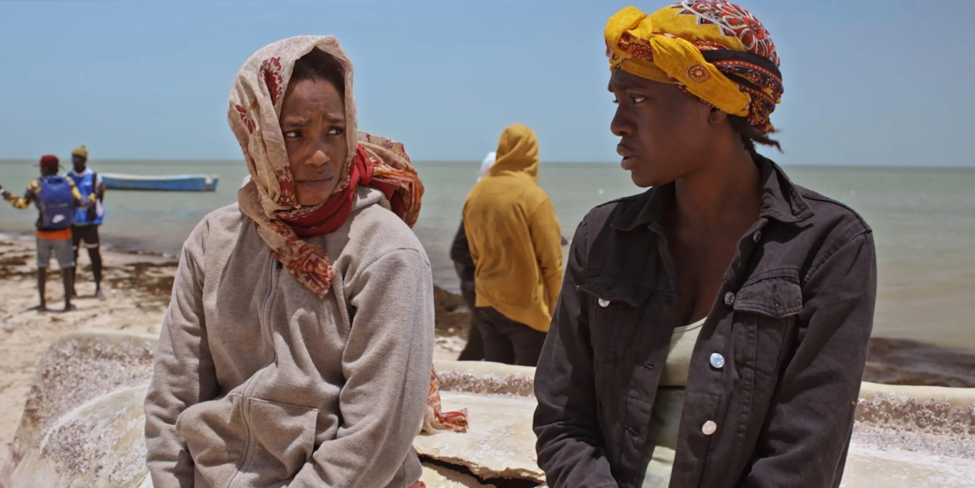
One of the notable blind spots in the movie revolves around the depiction of the lead character, Ehi, during a crucial moment in the desert. Ehi, who has been enduring immense physical, emotional, and psychological exhaustion. When Ehi and Peju wave for assistance and a lorry arrives, the energy and relief they experience are palpable. However, there’s an inconsistency in the portrayal of Ehi’s condition at this point.
Given her extreme fatigue and the toll of having no food or rest, it is unrealistic for Ehi to climb into the back of the lorry and still be able to stand on her feet. Someone in her situation would likely collapse from exhaustion or sit upon finding help. This scene undermines the authenticity of her struggle, suggesting she still possesses a level of strength that contradicts the dire circumstances depicted earlier.
Another blind spot in the movie occurs during the second instance of sex exploitation Ehi encounters on her journey, this time in Niger where she meets Tobi. Tobi, realizing Ehi is a journalist, plans to exploit her naivety and takes advantage of her. When she is locked in a room, Ehi searches desperately for a way to escape. A client, already drunk, enters the room, and Ehi pretends to want to drink with him.
The scene unfolds too conveniently: the man easily hands over the drink, and in the next moment, Ehi knocks him out with a bottle. This sequence feels too simplistic and lacks the tension and struggle expected in such a dire situation. Although the man is drunk, the escape appears unrealistically easy, undermining the gravity of Ehi’s predicament.
Another blind spot in the movie occurs when Chuks enters Ade’s house unnoticed and confronts him. Ade is portrayed as a character of considerable threat and terror, yet the scene shows him walking into his house while Chuks silently follows and stabs him with a knife. It is implausible for someone of Ade’s calibre and nature to be taken by surprise so easily, without any struggle or even sensing another presence in his home.
Given Ade’s character traits and the inherent danger he represents, his sudden and effortless demise without a fight or any awareness of Chuks’ presence feels unrealistic. This oversight undermines the credibility of Ade’s character and the tension of the scene.

Setting/Sound/Props
Òlòtūré; The Journey is set in Nigeria, Niger, Libya and the Sahara Desert. This setting brings authenticity and believability to the story. Much of sounds are used rather than songs and the impact in communicating the tense, gritty and emotional state of the scenes did not fail. The props, wardrobe and costumes align with what Òlòtūré; The Journey projects.
Cinematography
The cinematography also deserves significant praise for its role in telling the story. The camera work is not just a passive observer but an active storyteller, capturing details in a way that aligns perfectly with the actors’ performances. The cinematography effectively portrays the vast, unforgiving landscape of the desert, the palpable eagerness for escape in the eyes of the actors, and the overall atmosphere of tension and despair. Through the lens, the themes of the movie are vividly brought to life, enhancing the narrative and deepening the audience’s connection to the story. The cinematographer’s skillful use of the camera adds a profound layer of depth and meaning, making the visual storytelling as compelling as the performances themselves.
Dialogue/Language
The dialogue and conversation in the movie clearly and explicitly convey the themes and messages of the story. Notably, the film utilizes both English and Pidgin, particularly pidgin. The use of Pidgin adds a layer of rawness and authenticity, capturing the essence of struggle and hardship. Pidgin is often associated with the hustling spirit of Nigerians, devoid of any pretentiousness or “poshness.”
The use of Pidgin is also reflective of the level of literacy of the characters portrayed, especially the sex workers. These characters often come from economically disadvantaged backgrounds, and the use of Pidgin underscores their limited educational opportunities. This linguistic choice effectively highlights their socio-economic struggles and enhances the realism of their portrayal.