
Mvera opens with the story of the colonial struggle of the Kenyan people in a remote village called Mijikenda, and the symbolic deliverance from the colonial masters by the gods through the birth of Mekatililli, who fought against the colonialists. It was predicted that if the people of Mijikenda were oppressed, the warrior spirit of Mekatililli would return.
The next oppression now comes from within their own community; someone who grew among the Mijikenda people. He lures them and their children with promises of going to Europe and securing a better future, albeit with a different motive.
Storyline
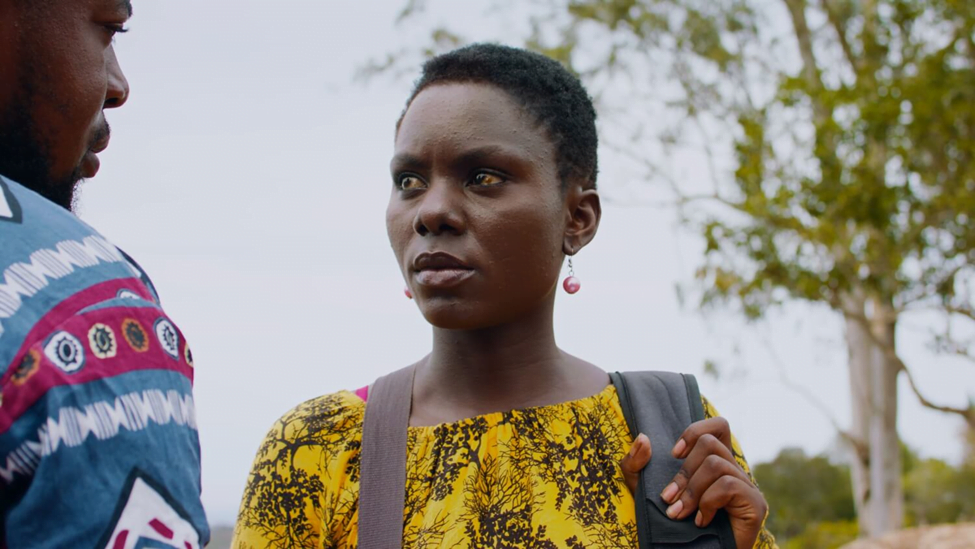
Mvera is a story of a crime against humanity; organ harvesting. The eponymous character, Mvera, filled with hopes of finding her mother and a better life, though not chosen for Mr. Thabiti’s sponsorship program, steals a fellow traveler’s ticket and passport to join the candidates. Her ambition exposes her as a threat to Mr. Thabiti’s crime organization. Detecting the reason behind the sudden disappearance of her peers, she becomes aware of the impending danger and seeks escape and justice.
Blind Spots
A significant blind spot in the movie related to a scene where a character was supposed to have her organs harvested, but the depiction fell short of realism. In the scene, instead of showing a realistic portrayal of organ harvesting, only blood was smeared on the character’s stomach, and the nurse appeared to attempt to pick at flesh. Realistically, such a scene would involve more graphic and detailed portrayal of surgery or organ extraction. This lack of believability can affect the audience’s immersion in the storyline and impact the overall credibility of the Mvera’s narrative.
Another blind spot in the movie involves scenes where blood on the characters did not appear realistic. Instead of realistic blood, it seemed as if red paint or ink was used, which detracted from the authenticity of the scenes. This lack of realistic blood effects can affect the overall visual impact and believability of the movie’s portrayal of intense or violent scenes.
Cast/Characterization
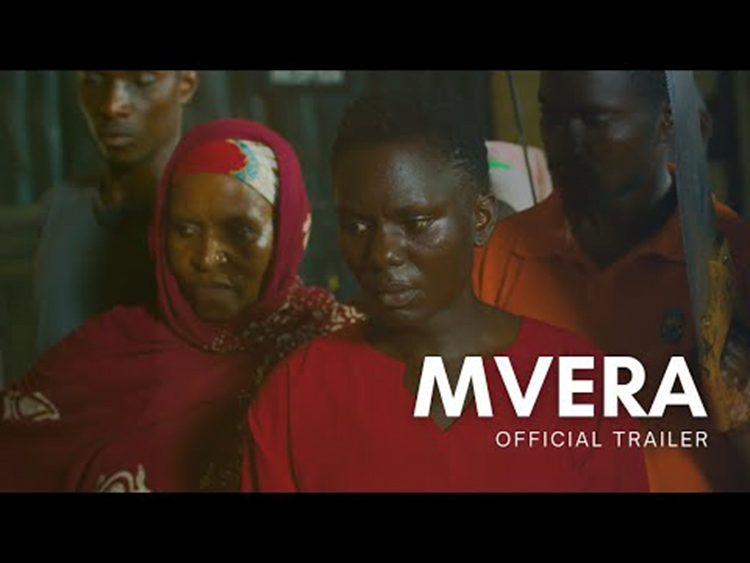
Directed by Daudi Anguka, Mvera features the following cast: Linah Sande, Patrick Owino, Victor Opondo, Carolyne Rita Mutua, Kibibi Salim, Hillary Namanje, Susan Khadide, and Ruby Kache. The cast of Mvera is a unique group of actors and actresses, though none are exceptionally outstanding on their own. The lead character, Mvera, along with the supporting characters, effectively portrays the dread and terror of being trapped in a crime organization. Instead of the promised hope of going to Europe, they find themselves imprisoned and exploited.
The other characters, weren’t particularly professional or exceptional. This might be due to the varying levels of growth in the film industry across different countries in Africa. The cast was likely chosen based on the available talent in Kenya, reflecting the regional development of the industry. While these actors and actresses are talented in their own way, they might not meet the acting standards expected by some audiences.
Setting
Set in Mijikenda, Kenya, Mvera effectively portrays scenes where the young adults are housed in a lodge, being enticed with so-called luxury which can’t be afforded in the village. These moments underscore the contrast between their rural upbringing and the urban aspirations. The organ harvesting setting is quite unprofessional and non-detailed.
Dialogue/Language
The dialogue and language used in the movie Mvera are consistent and familiar, particularly to the Kenyan audience, as Swahili is the language used. This linguistic choice makes the film more relatable and authentic to its audience, highlighting its cultural and linguistic richness as a cinematic production. Swahili, being indigenous to the audience, enhances the movie’s connection with local viewers, contributing to its cultural authenticity and immersion in the storyline.
Using Swahili in the dialogue enhances the emotional connection of the audience to Mvera. It allows viewers to feel more deeply connected to the discourse and themes portrayed in Mvera. When the language spoken reflects the cultural context and identity of the audience, it facilitates a stronger emotional resonance and empathy towards the characters and their experiences.