
Mo Abudu’s Baby Farm unearths the chilling realities of a baby trafficking ring masquerading as a charitable NGO. Under the shiny surface of kindness lurks a dark underbelly. It is a world where desperation is exploited and innocence is sold. This limited Netflix series compels viewers to confront unsettling societal issues beneath a gripping story, an outstanding ensemble, and tension in every scene.
Storyline
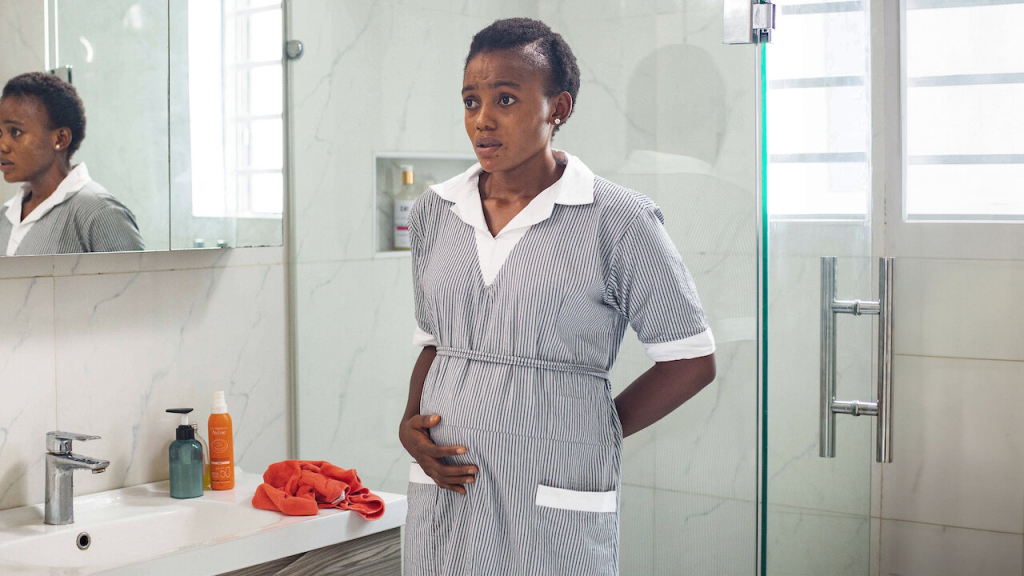
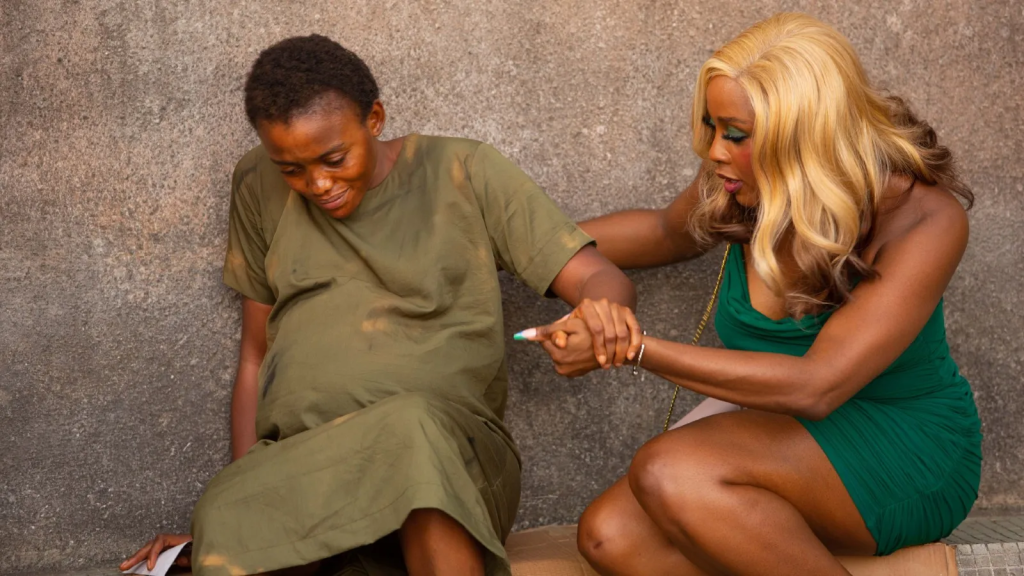
When Adanna’s lover abandons her after she falls pregnant, her life unravels, leaving her lonely and depressed. She has nowhere else to go, so she finds herself at Dr. Evan’s clinic, which was portrayed to provide a safe refuge for women going through terrible times. At first glance, it looks to be a haven of care and refuge maintained by a compassionate doctor and wife. However, the initial relief she felt faded, and the walls began to close the longer she remained. Reality began to set in. They are not visitors. Their unborn children are treated like commodities, and they are prisoners. Adanna discovers the hard way that there is no way out when she tries to leave. While she fights for her freedom, Cherise, a celebrated actress, faces a different kind of challenge. Years of miscarriages and a troubled past have left her desperate for a child. When an opportunity arises to adopt in secrecy, she is willing to look the other way. But at what cost? The deeper she wades into this murky transaction, the harder it becomes to ignore the unsettling reality of where these babies come from.
Elsewhere, journalist Joy senses that something is not right. Her relentless investigation into the clinic puts her directly in the line of danger, drawing the attention of those determined to keep their operation buried. Ify, a young woman whose sister disappeared without a trace, joins forces with Joy, piecing together a dark puzzle that leads them straight to Dr. Evan’s doorstep. As their search for the truth intensifies, the stakes grow higher. A single misstep could mean the difference between justice and silence. What unfolds is a harrowing fight against a system built to trap its victims. It is a struggle that will determine who survives and who gets swallowed by the darkness.
Cast/Characterization
Onyinye Odokoro delivers an emotionally charged and uplifting performance. She captures Adanna’s grief, resilience, and quiet courage with compelling honesty. Genoveva Umeh, as Ebun, adds dimension to a character split between dread and hope, making every moment on screen unforgettable. Rita Dominic and Joseph Benjamin bring Cherise and Akin to life, making their moral quandaries feel raw and authentic. Folu Storms, who plays journalist Joy, brings fire to the character, her desire piercing through every scene with urgency. Langley Kirkwood and Jenny Stead, who play Dr. Evans and his wife Barbara, are the type of villains you never see coming. As white foreigners in a mostly Black town in Lagos, Nigeria, their presence exudes authenticity, making their crimes all the more unsettling. With their polished attitude and supposedly lofty motives, they fit perfectly into society, making it virtually hard to suspect the horrors lying beneath the surface. Long after the credits have rolled, their portrayal remains a haunting reminder of how evil may hide in plain sight.
Blindspot/Loopholes
For all its strengths, Baby Farm is not without its flaws. Some moments feel a little too convenient. Adanna finds the clinic at just the right time, Cherise’s life happens to intersect with the baby farm’s operations, and Joy’s investigation progresses with surprising ease. These coincidences make certain twists feel more orchestrated than organic. Adanna’s character arc also wavers. At times, she is fiercely determined, yet in other moments, she becomes oddly passive, creating inconsistencies in her portrayal. The law enforcement response is another weak point. Given the scale of the clinic’s operations, one would expect a more aggressive investigation, yet the police presence is frustratingly minimal. The baby farm functions undisturbed for far too long, raising questions about how such an elaborate scheme could remain hidden. One particularly glaring issue is the logistics of key events. How was a dead body transported in broad daylight without drawing attention? The journalist’s corpse is used as a dramatic reveal, but the timeline surrounding her death is murky, making it unclear how long she had been dead before that moment.
In the series, time feels weirdly compressed. Life-changing events occur at an almost unbelievable rate, making it impossible to completely comprehend the gravity of the individuals’ experiences. The climax is another perplexing moment. How does the building burn down with the police just outside? Their presence implies rapid action, but the destruction occurs without intervention, making it appear more like a dramatic device than a plausible progression. Then there is the end. While fulfilling in certain aspects, it concludes too smoothly for a story of this scale. Some wounds do not heal overnight, and a more thorough examination of the long-term repercussions could have made the resolution more effective.
Despite these weaknesses, Baby Farm is a captivating story, carried by emotional depth and powerful performances. It may not be perfect, but its raw intensity and social relevance keep it engaging from beginning to end.
Setting
From the chaos of Lagos to the restrictive constraints of the clinic, the series’ backdrop adds to the drama. The clinic is a character. It begins warm and welcoming, but gets increasingly claustrophobic as its true character is revealed. Every setting serves a purpose and reflects the story’s changing tone. The attention to detail extends to even the most distressing situations, with blood spills and splashes depicted in frighteningly realistic detail. The color and texture are so wonderfully done that they heighten the dread, making the violence seem visceral and unstoppable.
Cinematography
Visually, Baby Farm is remarkable. The letterbox aspect ratio gives it a cinematic flair, and the narrow, intimate frame draws spectators into the protagonists’ emotional agony. The lighting, particularly in the clinic, gradually shifts from soft and inviting to gloomy and oppressive, mirroring the slow unraveling of the reality. Every shot feels deliberate, heightening the suspense with a quiet but continuous intensity.
Dialogue/Language
The discourse is natural and firmly embedded in Nigerian culture. The flawless blend of English, Pidgin, and Igbo not only grounds the plot in authenticity, but also adds emotional depth to the characters’ relationships. Conversations don’t feel forced. They flow with the pace of real-life interactions, making even the most subtle moments memorable.
Baby Farm is more than just a miniseries. It’s a reckoning. Mo Abudu and her crew have created a story that is both painful and urgent, showing a horrible reality that is too frequently overlooked. With excellent performances, captivating storytelling, and frightening photography, it does more than just command attention. It orders it. It’s not ideal. There are times when the plot takes shortcuts, and the ending feels a little too neat. These could be said to be minor flaws in an otherwise impressive production. Baby Farm accomplishes everything great stories should achieve. It lingers, unsettles, and will not be forgotten.